
Learning how to cook cabbage on the stove is one of the easiest ways to transform an inexpensive vegetable into a delicious side dish. Whether you’re preparing a quick weeknight dinner, adding vegetables to a balanced meal, or recreating comforting family recipes, stovetop cabbage delivers excellent flavor with minimal effort.
Many people assume cabbage is bland or difficult to prepare, but the opposite is true. With proper heat, simple seasonings, and the right cooking technique, cabbage develops a naturally sweet, tender texture that pairs well with everything from roasted meats to vegetarian meals. This guide explains everything you need to know, from selecting the best cabbage to avoiding common cooking mistakes.
Why Stovetop Cabbage Is Worth Cooking
Understanding how to cook cabbage on the stove begins with appreciating its versatility. Green cabbage, Savoy cabbage, and Napa cabbage each respond beautifully to stovetop cooking, offering slightly different textures while remaining easy to prepare for everyday meals.
Besides being affordable, cabbage is rich in fiber, vitamin C, vitamin K, and beneficial plant compounds. It cooks quickly, absorbs seasonings exceptionally well, and fits into low-carb, vegetarian, gluten-free, and heart-conscious eating patterns without sacrificing flavor.
Choosing the Best Cabbage
Fresh cabbage makes a noticeable difference in the final dish. Look for compact heads with crisp leaves, vibrant color, and a firm feel. Avoid cabbage with soft spots, excessive browning, or wilted outer leaves, as freshness directly affects texture and taste.
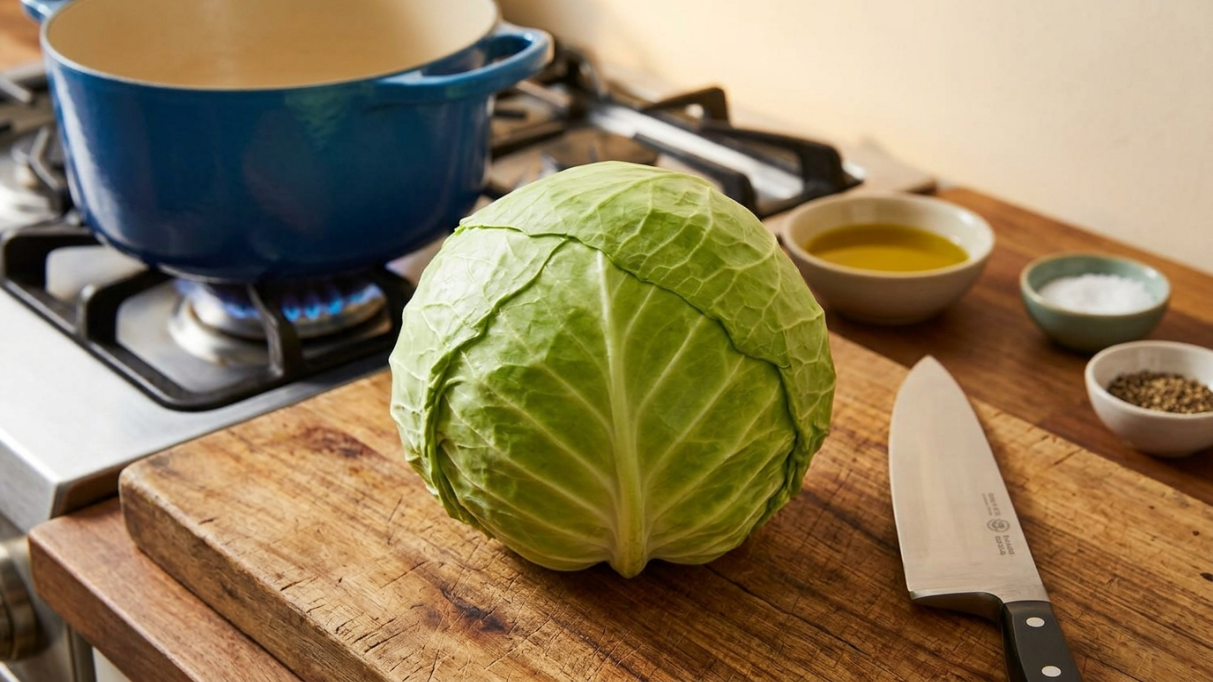
Before learning how to cook cabbage on the stove, remove damaged outer leaves, rinse the head thoroughly, cut it into quarters, remove the tough core, and slice it into strips or bite-sized pieces. Uniform pieces ensure even cooking and consistent tenderness.
Essential Ingredients and Kitchen Tools
The beauty of stovetop cabbage lies in its simplicity. Most recipes require cabbage, butter or olive oil, garlic, onion, salt, pepper, and optional additions such as smoked paprika, red pepper flakes, lemon juice, apple cider vinegar, or fresh herbs.
A heavy-bottomed skillet, sauté pan, or Dutch oven provides even heat distribution and prevents scorching. A sharp chef’s knife, cutting board, wooden spoon, and measuring spoons complete everything needed to confidently master how to cook cabbage on the stove.
Step-by-Step Cooking Method
Heat butter or olive oil over medium heat before adding sliced onions and garlic. Cook until fragrant, then add the cabbage gradually, stirring frequently to coat every piece with the cooking fat. This creates the foundation for rich flavor without overwhelming the vegetable.
Continue cooking for approximately 10 to 15 minutes, stirring occasionally until the cabbage becomes tender while retaining slight texture. If you prefer softer cabbage, add a splash of broth or water, cover the pan briefly, and steam gently before uncovering to evaporate excess moisture. This approach demonstrates how to cook cabbage on the stove while balancing tenderness and flavor.
Cooking Time Guide
Cooking time depends on both the cabbage variety and your preferred texture. Thin slices soften quickly, while thicker pieces require additional time over medium heat to become tender without falling apart.
| Cabbage Type | Preparation | Approximate Cooking Time | Texture |
|---|---|---|---|
| Green cabbage | Thin slices | 10–12 minutes | Tender with slight bite |
| Green cabbage | Thick slices | 15–18 minutes | Soft and hearty |
| Savoy cabbage | Thin ribbons | 8–10 minutes | Delicate and tender |
| Napa cabbage | Chopped | 5–8 minutes | Soft and silky |
| Red cabbage | Thin slices | 15–20 minutes | Tender with vibrant color |
Best Seasonings for Maximum Flavor
One of the greatest advantages of learning how to cook cabbage on the stove is its ability to absorb seasoning. Garlic, black pepper, butter, sea salt, onion powder, thyme, parsley, dill, cumin, smoked paprika, and crushed red pepper all complement cabbage naturally.
Acidic ingredients added near the end of cooking brighten the overall flavor. Lemon juice, balsamic vinegar, or apple cider vinegar provide balance, while grated Parmesan, toasted nuts, or crispy bacon create additional layers of texture and richness.
Common Mistakes to Avoid
Overcrowding the pan is one of the most frequent mistakes. Too much cabbage releases excessive moisture, causing steaming instead of browning. Cooking in batches when necessary allows caramelization to develop naturally and creates deeper flavor.
Another common issue is overcooking. Although cabbage becomes sweeter as it cooks, excessive heat and time can produce a mushy texture. Knowing how to cook cabbage on the stove means removing it once it reaches your preferred tenderness while preserving its natural structure.
Delicious Variations to Try
Classic buttered cabbage remains a favorite, but there are countless variations. Add sliced sausage, mushrooms, carrots, bell peppers, or potatoes to create a hearty one-pan meal with satisfying texture and balanced nutrition.
Global flavors also work exceptionally well. Incorporate soy sauce and sesame oil for Asian-inspired cabbage, curry powder for Indian-inspired dishes, or tomatoes and oregano for Mediterranean flavor. These adaptations keep stovetop cabbage exciting throughout the year.
Health Benefits of Stovetop Cabbage
Cooking cabbage gently on the stove preserves much of its nutritional value while making it easier to digest. The vegetable provides antioxidants, dietary fiber, and vitamins that contribute to immune support, digestive wellness, and overall health.
Because cabbage is naturally low in calories yet filling, it fits well into weight-management plans and balanced diets. Pairing it with lean proteins, legumes, or whole grains creates complete meals that are both nourishing and satisfying.
What to Serve with Stovetop Cabbage
Stovetop cabbage complements roasted chicken, grilled pork chops, baked salmon, beef stew, meatloaf, and smoked sausage. Its mild sweetness balances rich proteins while adding freshness and texture to the plate.
Vegetarian meals also benefit from cabbage served alongside rice, quinoa, lentils, beans, mashed potatoes, or crusty artisan bread. Once you know how to cook cabbage on the stove, it becomes an easy addition to countless everyday recipes.
Expert Tips for Restaurant-Quality Results
Professional cooks understand that cabbage benefits from patience rather than high heat. Medium heat encourages gentle caramelization, allowing natural sugars to develop without burning or creating bitterness.
As celebrated chef Julia Child once said, “The only real stumbling block is fear of failure.” That advice applies perfectly in the kitchen. Experiment with herbs, spices, and cooking times until you discover your preferred version, because confidence grows with practice.
Conclusion
Learning how to cook cabbage on the stove is a practical kitchen skill that delivers consistently delicious results using affordable ingredients and straightforward techniques. With proper preparation, moderate heat, and balanced seasoning, cabbage becomes tender, flavorful, and remarkably versatile.
Whether you’re preparing a quick side dish, a comforting family meal, or a healthier dinner option, mastering how to cook cabbage on the stove opens the door to countless recipe variations. Once you understand the fundamentals, you’ll find yourself returning to this dependable cooking method again and again.
FAQ
How long does it take to cook cabbage on the stove?
When learning how to cook cabbage on the stove, most green cabbage becomes tender in about 10 to 15 minutes over medium heat, depending on slice thickness.
Should cabbage be covered while cooking?
Covering the pan for a few minutes helps soften the cabbage more quickly. Uncover it near the end so excess moisture evaporates and the cabbage develops better flavor.
What seasonings taste best with stovetop cabbage?
Garlic, onion, butter, olive oil, black pepper, smoked paprika, thyme, parsley, dill, and a splash of lemon juice or vinegar all enhance cabbage naturally.
Can I make stovetop cabbage ahead of time?
Yes. After mastering how to cook cabbage on the stove, you can refrigerate cooked cabbage for up to four days and reheat it gently in a skillet with a little butter or olive oil.
Why does my cabbage become watery?
Cabbage naturally releases moisture during cooking. Using a wide skillet, avoiding overcrowding, and finishing uncovered helps excess liquid evaporate.
Is stovetop cabbage healthy?
Absolutely. When prepared with moderate amounts of healthy fat and fresh seasonings, how to cook cabbage on the stove produces a nutritious dish rich in fiber, vitamins, antioxidants, and minerals while remaining relatively low in calories.
Read More: Aviation Academy PPL Brochure: Your Complete Guide to Private Pilot Training