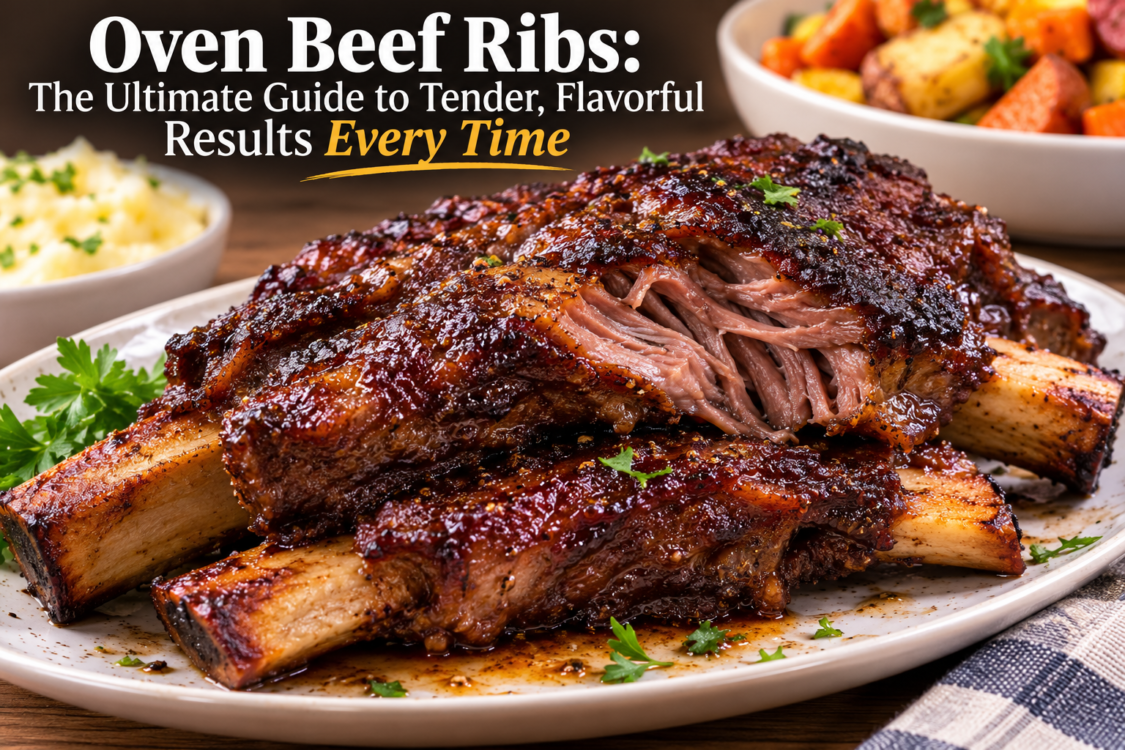

Few comfort foods match the rich, satisfying experience of perfectly cooked oven beef ribs. Slow roasting transforms a naturally tough cut into juicy, fall-apart meat with deep, concentrated flavor that rivals traditional barbecue. Whether you’re preparing a family dinner or serving guests on a special occasion, mastering this cooking method delivers reliable results regardless of the season.
Unlike outdoor smoking, the oven provides precise temperature control, making it easier to achieve consistent tenderness while preserving moisture. With the right preparation, seasoning, and cooking techniques, anyone can produce restaurant-quality beef ribs at home using common kitchen equipment.
Why Oven Beef Ribs Are an Excellent Choice
The appeal of oven beef ribs lies in their balance of convenience and exceptional flavor. Low-and-slow roasting gradually breaks down collagen into gelatin, creating meat that becomes incredibly tender while maintaining its rich beefy character. This process requires patience rather than advanced culinary skill, making it accessible for beginners and experienced home cooks alike.
Another advantage is consistency. Weather, charcoal quality, and smoker management can all influence outdoor cooking, while an oven provides a stable environment that minimizes variables. The result is dependable texture and flavor every time, regardless of the season or climate.
Understanding Different Types of Beef Ribs
Not all beef ribs are identical, and choosing the correct cut significantly affects the final result. Back ribs come from the prime rib section after the rib roast is removed, leaving flavorful meat between the bones. Short ribs contain more meat and connective tissue, making them especially suitable for slow cooking methods.
| Beef Rib Cut | Meat Content | Best Cooking Style | Texture After Cooking | Flavor Profile |
|---|---|---|---|---|
| Back Ribs | Moderate | Slow roasting | Tender between bones | Rich, beef-forward |
| English Short Ribs | High | Braising or roasting | Extremely tender | Deep, hearty |
| Flanken Short Ribs | Moderate | Grilling or roasting | Juicy with slight chew | Bold and savory |
| Plate Ribs | Very High | Long roasting | Melt-in-your-mouth | Intensely beefy |
Understanding these differences allows you to match the cooking method with your expectations. While each cut has strengths, slow roasting remains one of the most reliable ways to maximize tenderness across nearly every variety.
Selecting Quality Beef Ribs
High-quality meat provides the foundation for exceptional oven beef ribs. Look for ribs with generous marbling, as intramuscular fat gradually melts during cooking and enriches both texture and flavor. Fresh meat should appear bright red with creamy white fat and minimal discoloration.
Thickness also matters because evenly sized ribs cook more consistently. Purchasing from a trusted butcher often provides access to better cuts and useful preparation advice. Many butchers can also trim excess fat while leaving enough to naturally baste the meat throughout cooking.
Essential Ingredients for Maximum Flavor
Simple ingredients often produce the most memorable results. Kosher salt, freshly ground black pepper, garlic powder, onion powder, smoked paprika, and a touch of brown sugar create a balanced seasoning blend that enhances rather than masks the natural richness of beef.
Additional flavor can come from herbs like thyme or rosemary, while Worcestershire sauce, Dijon mustard, or a light coating of olive oil helps seasonings adhere more effectively. Quality ingredients allow the meat itself to remain the centerpiece of the meal.
Preparing Oven Beef Ribs Before Cooking
Proper preparation begins by patting the ribs dry with paper towels. Removing excess surface moisture encourages better browning and allows seasonings to form a flavorful crust during roasting. If a thick silver membrane remains on the bone side, removing it improves tenderness and seasoning penetration.
After seasoning generously, allowing the ribs to rest in the refrigerator for several hours—or overnight—creates a dry brine effect. This process improves moisture retention while helping flavors penetrate deeper into the meat before cooking even begins.
The Best Cooking Method for Oven Beef Ribs
The hallmark of exceptional oven beef ribs is patience. Roasting at approximately 275°F (135°C) for several hours gradually converts connective tissue into silky gelatin while preserving moisture. Covering the ribs during the initial cooking phase traps steam, preventing the surface from drying out.
Near the end of cooking, removing the foil allows the exterior to caramelize beautifully. If desired, brushing on barbecue sauce during the final minutes creates a glossy finish without risking burned sugars during the longer roasting period.
“Great barbecue isn’t about rushing the process—it’s about giving time the opportunity to transform tough cuts into unforgettable meals.”
Temperature, Timing, and Doneness
Cooking time varies according to rib size, thickness, and individual oven performance. Rather than relying solely on the clock, tenderness should become the primary indicator of doneness. A fork should slide into the meat with little resistance, while the meat begins pulling slightly away from the bone.
Internal temperature also provides valuable guidance. Although beef is technically safe earlier, connective tissue reaches peak tenderness between approximately 195°F and 205°F. This extended cooking window creates the luxurious texture that makes slow-roasted ribs so satisfying.
Common Mistakes to Avoid
One of the biggest mistakes when preparing oven beef ribs is using excessive heat in an attempt to reduce cooking time. Higher temperatures tighten muscle fibers before collagen has an opportunity to dissolve, resulting in dry, chewy meat despite reaching a safe internal temperature.
Another frequent issue involves slicing immediately after removing the ribs from the oven. Resting the meat for at least fifteen minutes allows juices to redistribute throughout the muscle fibers, preserving moisture and improving every bite.
Flavor Variations Worth Trying
Traditional barbecue seasoning is only one possibility. Coffee-based rubs provide earthy bitterness that complements rich beef, while chipotle powder introduces smoky heat without overwhelming the meat. Herb-forward Mediterranean blends featuring oregano, thyme, and garlic produce equally satisfying results.
International flavors also work remarkably well. Korean-inspired marinades featuring soy sauce, sesame oil, ginger, and brown sugar create savory complexity, while a Texas-style salt-and-pepper approach highlights the beef’s natural flavor with minimal distraction.
The Best Side Dishes to Serve
Rich ribs pair beautifully with sides that balance their hearty character. Creamy mashed potatoes, roasted vegetables, baked beans, buttery corn, and crisp coleslaw all provide contrasting textures and complementary flavors without competing for attention.
Fresh salads with acidic vinaigrettes can also brighten the meal, especially when serving generous portions. Homemade dinner rolls complete the experience by soaking up flavorful juices left on the plate.
Storage, Reheating, and Meal Prep
Properly stored oven beef ribs remain delicious for several days. Once cooled, place them in airtight containers with their cooking juices to help preserve moisture during refrigeration. They also freeze exceptionally well for longer storage when tightly wrapped.
Gentle reheating is equally important. A low oven with a splash of broth or reserved juices restores tenderness without drying the meat. Avoid microwaving at high power whenever possible, as uneven heating often toughens the exterior before the center warms completely.
Why Oven Cooking Delivers Consistent Results
Many home cooks assume smokers always produce superior ribs, yet modern ovens offer remarkable consistency that is often underestimated. Stable temperatures minimize guesswork, making successful outcomes easier to repeat while requiring far less active supervision throughout the cooking process.
This reliability makes oven beef ribs especially attractive for busy households, holiday gatherings, and meal preparation. The ability to prepare outstanding ribs without specialized outdoor equipment has expanded their popularity among home cooks worldwide.
Conclusion
Mastering oven beef ribs is less about secret ingredients and more about understanding technique. Choosing quality meat, seasoning thoughtfully, maintaining low temperatures, and allowing sufficient cooking time work together to create exceptional texture and flavor that rivals many professional kitchens.
Whether you prefer classic barbecue seasoning, international flavor profiles, or minimalist beef-forward preparation, slow roasting consistently rewards patience with tender, juicy results. By focusing on preparation, temperature control, and proper resting, you’ll produce memorable meals that family and guests will request again and again.
FAQ
How long do oven beef ribs take to cook?
Most oven beef ribs require approximately three to five hours at a low temperature, depending on thickness and the specific cut being prepared. Tenderness is a better indicator than time alone.
What temperature is best for oven beef ribs?
A roasting temperature around 275°F (135°C) provides an ideal balance between collagen breakdown and moisture retention for consistently tender results.
Should oven beef ribs be covered while cooking?
Yes. Covering the ribs during most of the cooking process helps trap moisture and encourages even cooking. Remove the cover near the end to develop a flavorful crust.
Can I prepare oven beef ribs ahead of time?
Absolutely. Oven beef ribs often taste even better the next day because the flavors continue to develop. Store them with their juices and reheat gently before serving.
What is the best seasoning for oven beef ribs?
A blend of kosher salt, black pepper, garlic powder, onion powder, smoked paprika, and a small amount of brown sugar creates a balanced flavor that complements the beef without overpowering it.
Can I finish oven beef ribs with barbecue sauce?
Yes. Apply barbecue sauce during the final 15 to 20 minutes of cooking so the sugars caramelize without burning, creating a glossy, flavorful finish.
Read more: How to Cook Cabbage on the Stove: The Complete Guide to Tender, Flavorful Cabbage Every Time