
Shipping protection has become just as important as the products being delivered. Businesses and consumers increasingly expect packaging to safeguard items while reducing environmental impact. This shift has made packing chips biodegradable one of the most popular protective packaging solutions across eCommerce, manufacturing, retail, and logistics.
Unlike conventional plastic void-fill materials that can remain in landfills for centuries, biodegradable packing chips provide reliable cushioning while naturally breaking down under appropriate environmental conditions. Understanding how they work, where they perform best, and how they compare with alternative packaging materials helps businesses make informed, sustainable decisions without compromising product protection.
What Are Packing Chips Biodegradable?
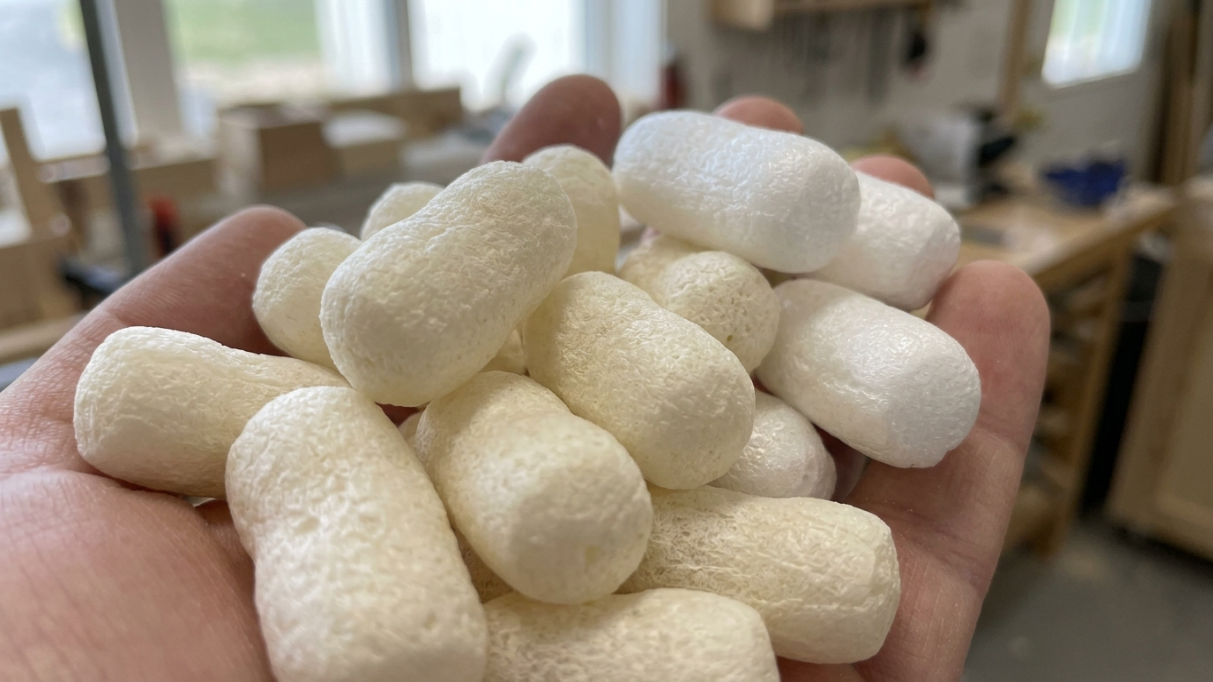
Packing chips biodegradable are lightweight loose-fill cushioning materials designed to protect products during shipping and storage. Most are manufactured from renewable plant-based resources such as cornstarch, wheat starch, or potato starch rather than petroleum-based plastics.
These packaging chips absorb shocks, fill empty spaces inside shipping cartons, and prevent products from shifting during transit. After use, they can typically be composted, dissolved in water, or disposed of through environmentally responsible waste streams depending on their composition and local disposal guidelines.
Why Businesses Are Switching to Sustainable Packaging
Consumer expectations have evolved significantly over the past decade. Buyers increasingly evaluate not only product quality but also the environmental responsibility demonstrated throughout the purchasing experience, including packaging choices.
By adopting packing chips biodegradable, companies reduce reliance on fossil-fuel plastics while strengthening their sustainability initiatives. This transition often supports corporate ESG goals, improves brand perception, and aligns with growing regulatory attention on single-use plastic waste.
How Biodegradable Packing Chips Are Made
Most biodegradable loose-fill materials begin with natural starches extracted from crops such as corn. These starches undergo heating, expansion, and molding processes that create lightweight cushioning with excellent shock absorption.
The resulting material resembles traditional foam packing peanuts in appearance but behaves very differently after disposal. Moisture, microorganisms, and natural environmental conditions gradually break the material down into harmless organic substances rather than persistent plastic fragments.
Comparing Biodegradable and Traditional Packing Chips
Traditional plastic packing peanuts have protected shipments for decades. However, their environmental footprint has encouraged businesses to seek renewable alternatives that deliver similar protective performance.
The comparison below highlights the key differences between conventional plastic loose fill and packing chips biodegradable.
| Feature | Biodegradable Packing Chips | Traditional Plastic Packing Peanuts |
|---|---|---|
| Primary Material | Plant-based starch | Expanded polystyrene (EPS) |
| Renewable Resources | Yes | No |
| Compostability | Often industrial or home compostable (depending on product) | No |
| Water Solubility | Many varieties dissolve in water | No |
| Static Electricity | Minimal | High |
| Environmental Impact | Significantly lower | High long-term impact |
| Product Protection | Excellent | Excellent |
| Disposal Convenience | Compost or dissolve where appropriate | Landfill or limited recycling |
Environmental Benefits That Extend Beyond Disposal
One of the greatest advantages of packing chips biodegradable lies in their entire lifecycle rather than disposal alone. Renewable raw materials generally require fewer fossil resources than petroleum-derived alternatives.
Lower long-term environmental persistence also reduces concerns surrounding microplastic pollution. While responsible manufacturing and transportation remain important sustainability considerations, biodegradable loose fill contributes meaningfully toward reducing packaging waste accumulation.
Performance During Shipping and Handling
Protective packaging succeeds only when products arrive safely. Fortunately, biodegradable loose-fill materials provide excellent cushioning for many common shipping applications, including electronics, ceramics, cosmetics, gifts, books, and household goods.
Because the chips interlock naturally, they distribute impact forces throughout the shipping carton. This reduces movement while maintaining consistent protection across multiple handling stages, including warehousing, transportation, and final delivery.
Industries That Benefit Most
Virtually every shipping-intensive industry can benefit from packing chips biodegradable, especially businesses that prioritize customer experience and environmental responsibility. Online retailers frequently use them for fragile consumer goods because recipients appreciate their easy disposal.
Manufacturers, subscription box companies, artisan brands, medical suppliers, and specialty food businesses also integrate biodegradable loose fill into their packaging systems. The material offers flexibility across product sizes while supporting sustainability messaging that resonates with environmentally conscious buyers.
Cost Considerations and Long-Term Value
Initial purchase prices for biodegradable packaging materials may sometimes exceed conventional plastic alternatives. However, evaluating packaging decisions solely by unit cost overlooks broader operational and brand value.
Businesses often discover that sustainable packaging improves customer satisfaction, enhances brand loyalty, reduces environmental criticism, and strengthens marketing efforts. These indirect benefits frequently offset modest material cost differences over time while supporting long-term business objectives.
Choosing High-Quality Biodegradable Packing Chips
Not all loose-fill materials perform identically. Businesses should evaluate density, cushioning capability, moisture resistance, storage requirements, and certification before selecting a supplier.
Reliable manufacturers clearly specify raw materials, compostability standards, recommended storage conditions, and performance characteristics. Purchasing from reputable suppliers ensures that packing chips biodegradable consistently deliver both environmental and protective benefits.
Common Misconceptions About Biodegradable Loose Fill
A frequent misconception suggests biodegradable packing materials dissolve immediately upon contact with humidity. In reality, quality products remain stable during normal storage and shipping while breaking down under appropriate disposal conditions.
Another misunderstanding assumes environmentally friendly packaging provides weaker protection. Modern packing chips biodegradable are engineered to perform competitively with traditional loose-fill materials across many everyday shipping applications when properly selected for the intended products.
Best Practices for Storage and Packaging
Proper storage helps maintain packaging performance. Keeping biodegradable loose fill in dry indoor environments protects the material from unnecessary moisture exposure before use.
Packaging efficiency also matters. Filling empty carton space evenly, avoiding overpacking, and selecting appropriately sized boxes maximize cushioning performance while minimizing material consumption and shipping costs.
Certifications and Sustainability Standards
Independent certifications help buyers verify environmental claims. Many biodegradable packaging products comply with recognized compostability or bio-based material standards established by industry organizations.
Businesses should review product documentation carefully rather than relying solely on marketing language. Transparent certification provides confidence that packing chips biodegradable meet established environmental performance expectations and support credible sustainability initiatives.
Future Trends in Sustainable Protective Packaging
Innovation continues to reshape protective packaging. Manufacturers are investing in renewable materials, lower-carbon production methods, and packaging systems that reduce waste throughout the supply chain.
As circular economy principles become more influential, packing chips biodegradable are expected to play an increasingly important role alongside recyclable paper cushioning, molded fiber protection, and reusable shipping systems. Continuous research is improving durability, efficiency, and environmental performance simultaneously.
Expert Perspective on Sustainable Packaging
Environmental packaging decisions extend beyond replacing one material with another. Effective sustainability combines renewable sourcing, responsible manufacturing, efficient transportation, appropriate disposal, and thoughtful package design.
As the environmental advocate David Suzuki observed, “Small acts, when multiplied by millions of people, can transform the world.” Packaging choices may appear small individually, but across millions of shipments they represent substantial opportunities to reduce environmental impact.
Conclusion
Sustainable packaging has evolved from a niche preference into an essential component of responsible business operations. Packing chips biodegradable provide a practical solution that combines dependable product protection with significantly improved environmental performance compared with conventional plastic loose fill.
Organizations that invest in high-quality biodegradable protective packaging demonstrate both operational responsibility and long-term strategic thinking. As customer expectations, environmental regulations, and sustainability goals continue to evolve, biodegradable loose-fill solutions are well positioned to remain a leading choice for modern shipping and fulfillment.
FAQ
What are packing chips biodegradable made from?
Most packing chips biodegradable are produced from renewable plant starches such as cornstarch, potato starch, or wheat starch, making them a sustainable alternative to petroleum-based plastic packing peanuts.
Are packing chips biodegradable safe for composting?
Many packing chips biodegradable are suitable for composting, although users should always verify the manufacturer’s disposal recommendations and applicable composting certifications.
Can biodegradable packing chips protect fragile products?
Yes. Properly manufactured packing chips biodegradable provide excellent cushioning, absorb impacts effectively, and help prevent movement inside shipping cartons for many fragile products.
Do biodegradable packing chips dissolve in water?
Many starch-based varieties dissolve in water, simplifying disposal. However, product formulations differ, so users should always follow the supplier’s disposal guidance.
Are packing chips biodegradable more expensive than plastic packing peanuts?
The initial purchase price may be slightly higher, but many businesses find the long-term environmental, branding, customer satisfaction, and sustainability benefits provide greater overall value.
Read More: UN3373 Label: Complete Guide to Biological Substance Shipping, Compliance, and Best Practices