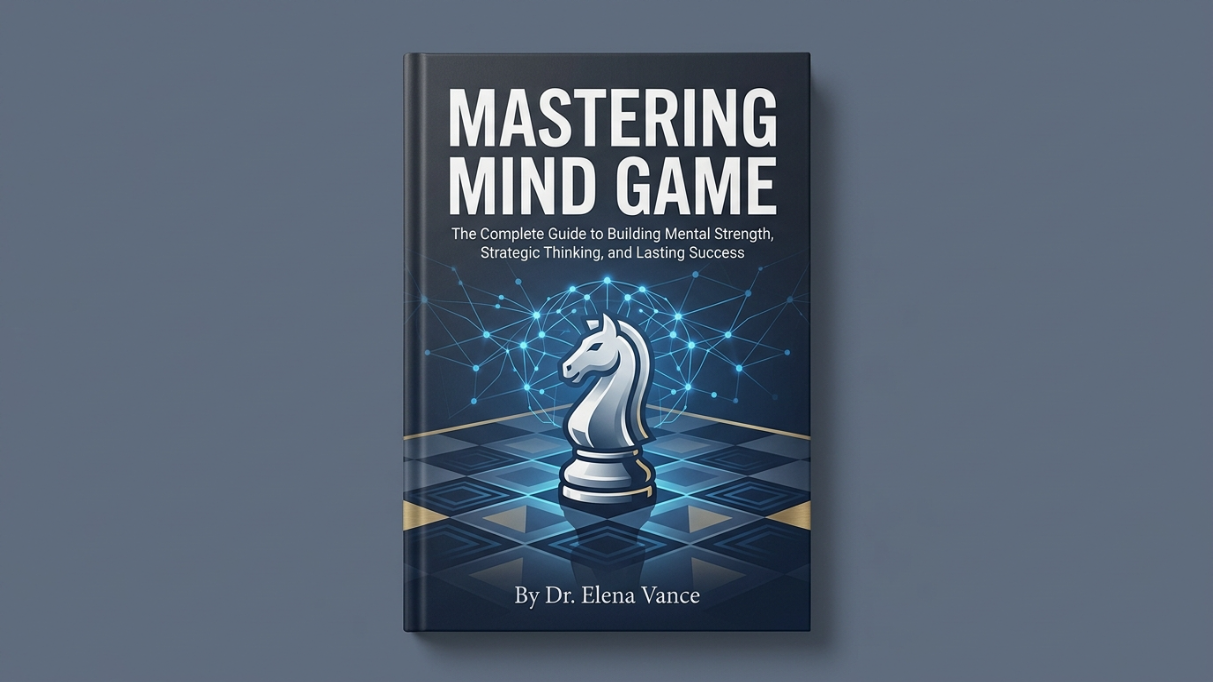

Success rarely depends on talent alone. Behind exceptional achievements is often the ability to think clearly under pressure, regulate emotions, anticipate challenges, and make smart decisions when others hesitate. That is why mastering mind game has become an essential skill for entrepreneurs, athletes, leaders, students, and anyone striving for consistent personal growth.
Whether the challenge involves negotiations, competitive sports, career advancement, relationships, or everyday decision-making, your mindset shapes every outcome. Developing psychological awareness allows you to recognize emotional triggers, avoid impulsive reactions, and approach situations with confidence. Rather than manipulating others, mastering your own thinking creates sustainable advantages that extend across every aspect of life.
Understanding What Mastering Mind Game Really Means
At its core, mastering mind game is the practice of strengthening mental discipline, emotional intelligence, strategic thinking, and self-awareness. It involves understanding how thoughts influence behaviors while learning techniques that improve focus, resilience, and long-term decision-making. Instead of relying solely on intelligence, successful individuals learn to manage pressure and uncertainty with composure.
Many people mistakenly associate mind games with manipulation or deception. In reality, healthy psychological mastery emphasizes self-control before influencing external circumstances. It encourages thoughtful communication, balanced emotional responses, and deliberate action rather than reactive behavior, making it a valuable life skill rather than a competitive trick.
Why Mental Strategy Shapes Every Area of Life
Every important decision begins with a thought process. From financial planning to career choices and personal relationships, your internal dialogue influences how you interpret opportunities and obstacles. Mastering mind game allows you to replace limiting beliefs with constructive thinking patterns that support better outcomes.
Research across psychology and behavioral science consistently demonstrates that individuals with greater emotional regulation make more effective decisions during stressful situations. Rather than allowing fear or frustration to dictate actions, mentally resilient people evaluate circumstances objectively and respond with confidence, patience, and strategic intent.
The Psychology Behind Winning the Mental Battle
Human behavior is influenced by cognitive biases, emotional reactions, previous experiences, and environmental cues. Understanding these psychological mechanisms provides valuable insight into why people behave differently under similar conditions. Mastering mind game begins by recognizing these hidden influences before attempting to change them.
Self-awareness serves as the foundation for psychological growth. When individuals understand their own emotional triggers, they become less vulnerable to stress, manipulation, and impulsive decisions. This awareness creates space for thoughtful reflection, allowing logic and emotional intelligence to work together instead of competing against each other.
Core Principles That Build Mental Mastery
Developing psychological strength requires consistent habits rather than occasional motivation. Emotional regulation, disciplined focus, adaptive thinking, patience, confidence, and continuous learning form the pillars of sustainable mental performance. These qualities strengthen gradually through deliberate practice rather than overnight transformation.
The following comparison highlights the characteristics that distinguish reactive thinking from strategic mental mastery.
| Reactive Thinking | Strategic Mental Mastery |
|---|---|
| Acts on impulse | Responds with intention |
| Focuses on immediate emotions | Considers long-term outcomes |
| Avoids discomfort | Learns through challenges |
| Seeks constant validation | Builds internal confidence |
| Blames external factors | Accepts personal responsibility |
| Easily distracted | Maintains focused attention |
| Gives up after setbacks | Demonstrates resilience and adaptability |
Understanding these differences helps individuals evaluate their own thinking patterns while identifying practical areas for improvement without becoming overly self-critical.
Emotional Intelligence as a Competitive Advantage
Emotional intelligence represents one of the most valuable aspects of mastering mind game because it influences communication, leadership, teamwork, and conflict resolution. People who understand emotions without becoming controlled by them often create stronger relationships and better professional opportunities.
Recognizing emotional cues also improves empathy and decision-making. Instead of reacting defensively during disagreements, emotionally intelligent individuals remain curious, ask thoughtful questions, and seek constructive solutions. This balanced approach reduces unnecessary conflict while strengthening trust and credibility.
Building Confidence Without Overconfidence
Confidence grows through preparation, competence, and repeated positive experiences rather than wishful thinking. Mastering mind game encourages individuals to focus on controllable actions instead of unpredictable outcomes, creating genuine self-belief rooted in consistent performance.
Overconfidence, however, creates blind spots that limit growth. Mentally strong individuals remain confident while welcoming feedback, learning from mistakes, and adjusting strategies when new information becomes available. This balance supports continuous improvement without sacrificing humility.
Developing Resilience During Difficult Situations
Challenges reveal the quality of our mental habits. Unexpected setbacks, criticism, failure, and uncertainty test emotional stability more than technical knowledge. Mastering mind game helps individuals interpret obstacles as opportunities for learning rather than permanent defeats.
Resilience grows through repeated exposure to manageable challenges. Each experience strengthens psychological flexibility, allowing people to recover more quickly from disappointment while maintaining optimism and productive momentum. Over time, resilience becomes an automatic response instead of a conscious effort.
Strategic Thinking in Personal and Professional Life
Strategic thinking involves anticipating consequences before acting. Rather than focusing only on immediate gains, mentally disciplined individuals evaluate risks, opportunities, relationships, and future implications before making important decisions. This long-term perspective often produces more sustainable success.
Professionals who develop strategic thinking frequently become stronger leaders because they recognize patterns others overlook. They communicate clearly, solve problems creatively, and remain adaptable when circumstances change unexpectedly. These qualities significantly enhance career development and organizational effectiveness.
Practical Techniques for Daily Mental Training
Like physical fitness, mental strength improves through consistent daily practice. Journaling, mindfulness, visualization, reflective thinking, structured goal-setting, and focused breathing exercises all contribute to mastering mind game by improving awareness and emotional regulation.
Small daily habits create substantial long-term improvements. Spending even fifteen minutes reviewing decisions, identifying emotional triggers, or practicing concentration gradually strengthens cognitive performance while reducing mental fatigue and unnecessary stress.
“The greatest victory is the one over yourself.”
This timeless principle reminds us that lasting success begins with internal discipline before external achievement.
Common Mistakes That Prevent Mental Growth
Many people believe motivation alone guarantees success. While motivation provides initial momentum, discipline, consistency, and thoughtful reflection ultimately determine lasting progress. Mastering mind game requires repeated practice rather than temporary inspiration.
Another common misconception involves avoiding discomfort. Growth frequently occurs outside familiar routines, where new experiences challenge existing beliefs and expand mental flexibility. Embracing calculated discomfort encourages learning while strengthening confidence in uncertain situations.
Applying Mental Mastery to Leadership and Relationships
Effective leaders recognize that influence begins with self-management. They remain calm during crises, communicate with clarity, and inspire confidence through consistent behavior rather than emotional reactions. These characteristics naturally emerge through mastering mind game and disciplined personal development.
Healthy relationships benefit equally from psychological awareness. Better listening, empathy, emotional regulation, and constructive conflict resolution strengthen trust while reducing misunderstandings. As communication improves, both personal and professional relationships become more resilient and rewarding.
The Future of Mental Performance in a Fast-Changing World
Rapid technological advancement, information overload, and increasingly complex workplaces demand stronger cognitive skills than ever before. Critical thinking, adaptability, emotional resilience, and focused attention will continue becoming essential competitive advantages across industries.
Organizations increasingly recognize that technical expertise alone is insufficient. Individuals capable of making thoughtful decisions under uncertainty, collaborating effectively, and maintaining emotional balance will remain valuable contributors regardless of changing technologies or economic conditions.
Conclusion
The journey toward mastering mind game is not about controlling other people or gaining unfair advantages. Instead, it is about understanding your own psychology, strengthening emotional resilience, improving decision-making, and developing the discipline needed for sustainable success. Every thoughtful choice, reflective habit, and intentional action reinforces a stronger mindset.
Ultimately, mental mastery is a lifelong process rather than a final destination. By cultivating self-awareness, strategic thinking, emotional intelligence, and resilience, individuals become better equipped to navigate challenges, seize opportunities, and achieve meaningful personal and professional growth. Those who invest consistently in their mindset often discover that the greatest transformation occurs from within.
FAQ
What is mastering mind game?
Mastering mind game is the process of improving mental discipline, emotional intelligence, strategic thinking, and psychological resilience to make better decisions and perform effectively under pressure.
Is mastering mind game about manipulating other people?
No. Healthy mastering mind game focuses primarily on self-awareness, emotional regulation, confidence, and strategic thinking rather than deception or manipulation.
Can anyone learn mastering mind game skills?
Yes. These abilities can be developed through consistent practice, mindfulness, reflection, emotional intelligence training, and deliberate habit formation regardless of age or profession.
How long does mastering mind game take?
There is no fixed timeline because mental development is continuous. Most people notice meaningful improvements after several weeks of consistent practice, while deeper mastery develops over months and years.
What are the biggest benefits of mastering mind game?
The primary benefits include stronger emotional resilience, improved decision-making, better communication, increased confidence, enhanced leadership skills, reduced stress, and greater adaptability in both personal and professional environments.
Read More: ireallyneedafive.com: The Complete Guide to Understanding the Platform and Maximizing Its Value